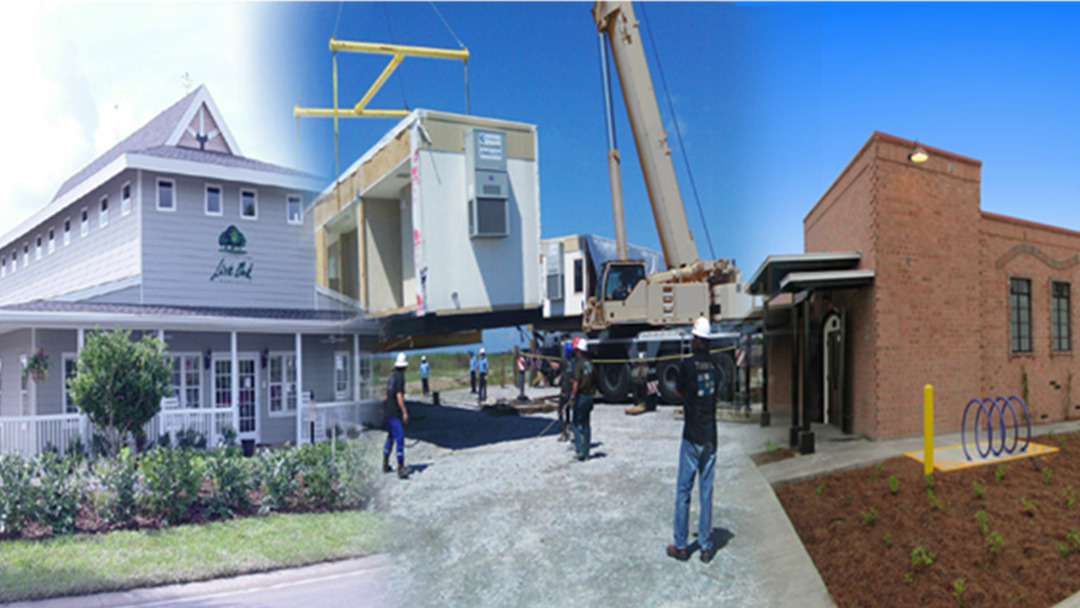
The Case for Modular & Prefab Construction
Why build with modular construction techniques? Modular construction is one of the fastest growing forms of prefabricated buildings in the market today. The recognition of its increased efficiency and ability to apply modern technology to the needs of the marketplace are what make it better and more efficient than stick building.
Our custom components are built and constructed in a controlled factory environment to the same building codes as traditional construction, meeting or beating site-built codes.
Superior quality control of prefabricated buildings and reduced waste provides a faster completion time, 1/2 faster than site-built construction.
The increased efficiency of modular construction generally results in greater value and easier planning for the developer.
Customization & Technology
Computerization has enabled a mass customization approach, design any prefab to meet the particular needs of a project. The combination of reduced cycle time, more efficient construction, unlimited customization, and a growing shortage of skilled tradespeople are the primary reasons many customers are choosing to consider prefabricated buildings.
Modular designs encompass the entire spectrum of the market. These include multi-family housing to high end luxury projects, including prefabricated steel buildings for commercial and industrial use. Construction improved through technology.
Modular Component Construction systems has grown at almost a 25% rate over the last five years. Avon Modular is redefining the preferred construction process & methods. The increased efficiency of prefabricated buildings generally results in greater value in overall proforma performance to the developer’s bottom-line profit. Consider the many advantages prefabricated buildings can offer you.
What Is a Prefabricated Building?
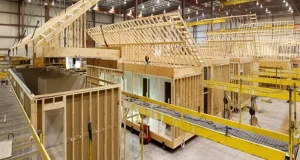
Prefabricated building is a method of construction, not a building type. It greatly differs from temporary buildings, such as construction trailers or mobile homes, Prefabs can be permanent structures. “These are custom-designed commercial buildings just like their site-built counterparts. Using modular does not change the design, structural system, or finish materials options available to the owner and architect. The only difference is in the method of construction.”
How the Prefab Build Process Works
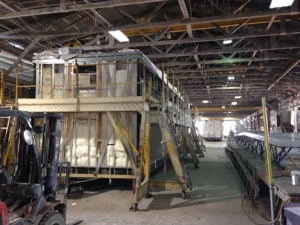
After the design is finalized with an architect, construction plans are sent to a factory where the majority of the prefabricated building is erected. The development team then uses prefabricated elements for as many building components as possible. Everything from walls and mechanical systems to painting and carpet can be completed on the assembly line. The difference is that 60% to 90% of prefabricated buildings are completed offsite in a controlled production environment, including all MEP, fixtures, and interior finishes.
Prefabricated Buildings Provide Speed, Efficiency & a Seamless Finish
While modules are assembled at the factory, site work can begin at the same time, such as laying the foundation or prepping utility connections. This greatly decreases the time needed for total construction. Prefabricated buildings are often completed 30–50% faster than conventional structures.
Once the modules are ready, they are shipped to the site and fastened together. The final construction stage includes completing exterior systems such as cladding and roofing components and internal spaces like lobbies, stairwells, and elevator shafts. The beauty of the finished prefabricated building is that occupants will not be able to tell how the structure was built.
Key Advantages at a Glance
- 60% reduction in build time
- Exceeds Energy Code by 33% on average
- Scalable design to meet future enrollment growth
- Superior acoustic environment
Serving Multiple Markets
This technique can produce a single building, an addition, or a campus setting, but it is most beneficial for projects with highly repetitive spaces. Think of duplicate rooms common to schools, dorms, offices, apartment housing, senior living, and hotels. Modular construction has also been used for standalone buildings, such as banks, chain restaurants, satellite bureaus, and retail. Any building without irregular layouts or large expanses will benefit.
The only limitations to size are those dictated by material use and code. For example, the world’s tallest modular building in NYC is over 33 stories and under construction. Buildings can occupy any square footage specified and are easy to expand. Modular construction is also a great way to add an addition onto a traditional building.
The Core Benefits of Prefabricated Buildings
From factory precision to faster installation, modular construction offers an attractive range of advantages:
- Scheduling One of the greatest benefits is the ability to dramatically reduce the time needed for construction. Factory efficiency allow building components to be completed quickly and without weather delays. No more contracting with multiple crews – the factory has all of the key player’s onsite to handle multiple building requirements. This makes prefabricated buildings suitable for owners who need buildings quickly, properties with hard dates for occupancy, and areas where seasonal weather restricts or even halts construction.
- Job-site Improvement Nearly completed modules ease the need for site equipment and staging areas, making them ideal for complicated sites. Perhaps your property is in a remote location or has accessibility difficulties. You may be in an urban or campus setting and have a narrow building site. Prefab building is likewise a great alternative for areas where an experienced or affordable labor force is difficult to come by, modular affords a cleaner work-site with fewer disruptions. With the majority of work completed offsite, issues such as noise, dust, debris, and weather complications are greatly reduced. The lower numbers of people, equipment, and traffic at the work-site also decreases the number of construction hazards. The chance for accidents and related liabilities caused by such a volume of people is significantly minimized.
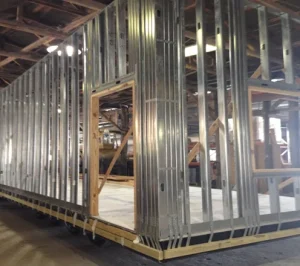
- Waste Reduction Because the factory process decreases the potential for errors, material use is more carefully monitored. By controlling inventory, resources and building materials are better protected. An assembly line also offers more opportunities for recycling throughout the process. Modular really works well with lean construction – it’s engineered to cut out any construction waste. For example, steel studs are usually cut to a standard length and shipped to a jobsite where they’re cut to the needed size. Instead of wasting 2 feet of metal, the studs are created on the factory line to the exact length required.
- Quality Control Just like a car assembly line, a prefabricated building module has built-in quality checks. Modular building factories are dedicated to crafting highly effective buildings with inspections at each station, eliminating on-the-fly decisions or unexpected complications that can occur in the field. The construction process is carefully engineered to create a sequence of steps that is repeated precisely on every module. After installation, capital improvements to extend the building’s life, such as HVAC or roof replacements can be made on the same schedule as a conventional building. The same maintenance and inspection requirements common to traditional facilities will also apply to modular buildings.
- Sustainability As with traditional buildings, modular construction easily incorporates sustainability. Specify the use of recycled materials, LED lighting, high-efficiency mechanical systems, and sustainable harvested wood and low-flow fixtures just as you normally would. While the process itself affords more opportunities for sustainability, other green benefits make prefabricated buildings an environmentally responsible choice.
Permanent modular buildings are comparable to buildings strictly built onsite in terms of quality, life span, and materials used for construction. They are not intended to be relocated, though individual modules can be replaced.